Running a freelance business
How to avoid freelance burnout
Warning signs of freelance burnout and systems that help prevent it.

Freelancing offers unparalleled freedom and flexibility, but it also presents unique challenges. The line between professional and personal life can blur, leading to an 'always-on' mentality. This constant pressure, coupled with the responsibility of managing multiple clients, finances, and self-promotion, can quickly lead to exhaustion.
Burnout is more than just feeling tired; it's a state of chronic stress that can manifest as physical and emotional depletion, cynicism, and reduced professional efficacy. For independent specialists, maintaining high performance and client satisfaction while safeguarding personal well-being is critical. This guide provides practical strategies to identify, prevent, and recover from freelance burnout, ensuring a sustainable and fulfilling career.
01
Recognize the Early Signs of Burnout
Understanding the indicators of burnout is the first step toward prevention. Freelancers often dismiss initial symptoms as temporary stress or a necessary part of a busy period. However, persistent feelings of fatigue, a lack of enthusiasm for work, or growing cynicism towards clients can be red flags. Other signs include decreased productivity, difficulty concentrating, irritability, and physical symptoms like headaches or sleep disturbances. Ignoring these early warnings can lead to deeper, more entrenched issues.
It is important to differentiate between a busy week and chronic overload. A temporary surge in workload is manageable if followed by recovery time. Burnout, however, is characterized by a prolonged state of emotional, physical, and mental exhaustion. Regularly checking in with your emotional and physical state is crucial. Consider maintaining a daily journal or a simple mood tracker to identify patterns and subtle shifts in your well-being. This self-awareness allows for proactive adjustments before symptoms escalate.
- Persistent fatigue and lack of energy.
- Increased cynicism or detachment from work.
- Reduced professional efficacy and productivity.
- Irritability and difficulty concentrating.
- Physical symptoms like insomnia or headaches.
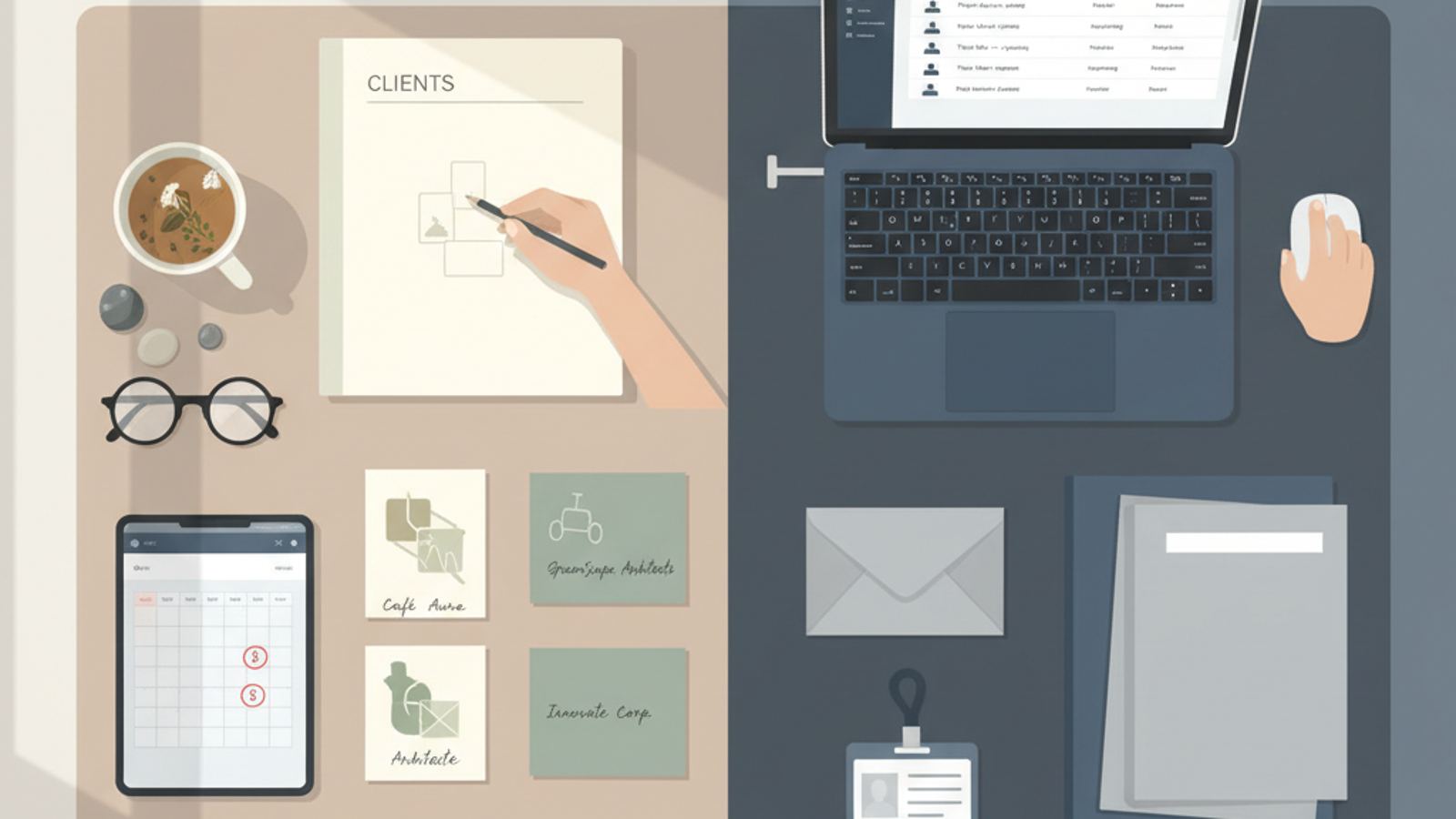
Before
Disorganized client emails, scattered notes, and an endless to-do list create a constant mental overhead and the feeling of never being caught up.
After
A structured system like kliendo integrates tasks, communication, and scheduling, providing clarity on priorities and available capacity, reducing stress.
02
Implement Robust Workload Management
Effective workload management is foundational to preventing burnout. Without clear systems, freelancers risk overcommitting, missing deadlines, and experiencing constant stress. Start by accurately assessing your capacity. Understand how much work you can realistically take on without sacrificing quality or personal time. This involves honest self-assessment, not just optimistic projections. Tools like kliendo’s daily focus caps (3 major + 12 minor tasks) provide a practical framework for structuring your day and preventing overload.
Utilize a reliable project management tool to organize tasks, track deadlines, and visualize your commitments. A centralized system reduces the mental burden of remembering every detail. Prioritize tasks using frameworks like the Eisenhower Matrix, distinguishing between urgent, important, minor, and major tasks. Regularly review your workload, ideally weekly, to adjust for unexpected changes and ensure a balanced schedule. For guidance on structuring your work, explore daily planning for freelancers and the freelancer weekly review. If you're managing multiple clients, consider strategies from how to manage multiple clients as a freelancer.
Consider implementing capacity planning for freelancers to proactively manage how much work you accept. This involves understanding your average time per task, factoring in administrative overhead, and building in buffer time for unexpected revisions or client requests. Using a freelance task tracker with clear task statuses that work for freelancers helps maintain visibility and control over your commitments.
- Accurately assess your daily and weekly capacity.
- Use a project management tool to track all tasks and deadlines.
- Prioritize work using a framework like the Eisenhower Matrix.
- Regularly review your workload and adjust as needed.
- Implement daily focus caps to limit major and minor tasks.
03
Set Clear Boundaries with Clients
Unmanaged client expectations are a significant source of freelance stress. Without defined boundaries, clients may expect immediate responses, weekend work, or endless revisions, eroding your personal time and energy. Clearly communicate your working hours, response times, and project scope from the outset. This sets a professional precedent and manages expectations effectively. Incorporate these boundaries into your initial contracts and client onboarding processes.
Be firm but polite when clients overstep. For example, if a client emails outside working hours, respond during your next scheduled work block and gently reiterate your availability. Tools that allow you to schedule email delivery can also be helpful. Learn how to handle scope creep as a freelancer proactively to prevent project boundaries from expanding without proper compensation or adjustment to your schedule. For more insights on this critical aspect, refer to setting boundaries with clients as a freelancer.
Establishing these professional guidelines protects your time and energy, enabling you to deliver your best work without constant pressure. Clear client communication tips for freelancers are essential for maintaining good relationships while enforcing boundaries. Remember that your time is a valuable resource, and respectful client relationships are built on mutual understanding of professional limits. A well-defined client onboarding checklist can help embed these boundaries from the start.
- Define and communicate your working hours and response times.
- Outline project scope clearly in contracts and proposals.
- Educate clients on your professional boundaries during onboarding.
- Address boundary infringements politely but firmly.
- Use out-of-office messages or scheduled send features for communication outside work hours.
Step by step
- 1Assess your current workload honestly.
- 2Implement daily task caps (e.g., 3 major, 12 minor).
- 3Define and communicate clear client boundaries.
- 4Schedule regular breaks and dedicated time off.
- 5Leverage a client-first workspace for efficiency.
04
Prioritize Self-Care and Time Off
While often viewed as optional, self-care is a non-negotiable component of sustainable freelancing. Neglecting personal well-being directly contributes to burnout. Schedule regular breaks throughout your workday, take genuine time off, and engage in activities that recharge you. This isn't just about relaxation; it's about protecting your cognitive function, creativity, and overall mental health. A short walk, mindful breathing, or a brief digital detox can significantly improve focus and reduce stress levels.
Treat your time off with the same reverence as client deadlines. Block out personal appointments, vacation days, and even daily leisure time in your calendar. Communicate these periods of unavailability to clients well in advance. Remember the importance of genuine disconnection; continuous checking of emails or messages during time off defeats the purpose. Ensuring you have a dedicated weekend, or even a few hours each day completely free from work, is vital for long-term health.
Recognize that your business is only as healthy as you are. Investing in your physical and mental health through adequate sleep, nutrition, exercise, and hobbies is not a luxury but a strategic business decision. If you struggle with consistently allocating time for yourself, consider using time blocking for freelancers to intentionally carve out these periods. Even a simple daily planning routine for freelancers can integrate essential self-care moments.
- Schedule regular short breaks throughout the workday.
- Take genuine, uninterrupted time off, including vacations.
- Engage in hobbies and activities unrelated to work.
- Prioritize adequate sleep, healthy eating, and physical activity.
- Communicate planned time off to clients in advance.
Email Template: Setting Project Boundaries
Subject: [Project Name] - Project Start & Communication Guidelines

Hi [Client Name],

We're excited to kick off [Project Name]. To ensure a smooth and productive collaboration, I wanted to share a few quick notes on how we can best work together.

My core working hours are [Your Working Hours, e.g., 9 AM - 5 PM Monday - Friday] [Your Time Zone]. I typically respond to emails within [e.g., 24-48 business hours]. For urgent matters, please mark your email as 'URGENT' or call me at [Your Phone Number] during my working hours.

All project-related communication, including task assignments, feedback, and file sharing, will be managed through [Your Chosen Project Management Tool, e.g., kliendo]. This helps keep everything organized and ensures we're all on the same page.

Regarding revisions, our agreement includes [Number] rounds of revisions. Any additional revisions or changes to the project scope will be discussed and quoted separately to ensure we stay on track.

I'm looking forward to delivering exceptional results for you. Please let me know if you have any questions.

Best regards,
[Your Name]
05
Leverage Technology for Efficiency
Modern tools can significantly streamline freelance operations, reducing administrative burden and freeing up mental space. A client-first workspace like kliendo offers integrated features such as task management with statuses and due dates, time tracking, client rates, and PDF invoicing. These functionalities automate repetitive tasks and provide a holistic view of your business, minimizing the need to juggle multiple disparate applications. Consider how a freelancer project management tool can centralize your operations.
AI-powered features are increasingly valuable for enhancing productivity. Use AI quick add to transform notes, PDFs, or images into actionable tasks. Leverage AI for morning briefings, summarizing key updates, and helping you prioritize your day. AI can also assist in drafting communications, extracting information from emails, or even asking AI about your workload to identify potential bottlenecks. Explore AI productivity tips for freelancers to integrate these tools effectively.
By embracing technology, you spend less time on manual administration and more time on high-value client work or personal pursuits. This strategic delegation to smart tools reduces cognitive load and mitigates the stress often associated with managing complex freelance operations. For more on AI's role, refer to AI project management for freelancers and using AI to reduce freelance admin.
- Use a comprehensive workspace for task management, invoicing, and time tracking.
- Leverage AI quick add for efficient task creation from various inputs.
- Utilize AI for daily briefings and workload analysis.
- Automate repetitive administrative tasks where possible.
- Centralize client communication and project details within one platform.
06
Cultivate a Support Network and Mentorship
Freelancing can be isolating, and this isolation can exacerbate feelings of burnout. Cultivating a strong support network of fellow freelancers, mentors, or even close friends and family who understand your career path is invaluable. This network provides a sounding board for challenges, offers diverse perspectives, and reminds you that you are not alone in your struggles. Sharing experiences can lead to discovering new strategies or simply validating your feelings.
Seek out mentorship, whether formal or informal. A seasoned freelancer can offer guidance on managing client relationships, pricing strategies, or navigating challenging projects, often providing insights gained from their own past experiences with burnout. Joining online communities or local meetups can foster these connections. The sense of community acts as a buffer against the unique pressures of independent work.
Additionally, having a personal support system outside of professional contacts is crucial. Someone who can offer emotional support and help you maintain perspective beyond your work can be a vital resource when feeling overwhelmed. Regular check-ins with these individuals can prevent feelings of being adrift and help you maintain a healthy work-life balance. Building a strong network is not just about professional growth but also about personal resilience. Even for specialized roles, consider tailored advice on project management for freelance writers or project management for freelance designers within your network.
- Connect with other freelancers for peer support and shared experiences.
- Seek out mentors for guidance on business and personal development.
- Join professional communities, both online and offline.
- Maintain strong relationships with non-work-related friends and family.
- Share your challenges and successes with trusted individuals.
Action checklist
- Have you accurately assessed your realistic weekly capacity?
- Are your working hours and communication expectations clearly stated to clients?
- Do you have a dedicated tool for managing tasks and deadlines?
- Are you scheduling regular, genuine breaks and time off?
- Have you identified and connected with a professional support network?
- Are you utilizing AI or automation for administrative tasks?
- Do you conduct a weekly review of your workload and well-being?
Frequently asked questions
- What is the difference between stress and burnout?
- Stress is a response to pressure, characterized by over-engagement, urgency, and hyperactivity. Burnout is a state of chronic stress, marked by disengagement, helplessness, and emotional and physical exhaustion.
- How can I tell if my client is contributing to my burnout?
- Clients who consistently demand immediate responses, ignore your stated working hours, frequently request scope changes without negotiation, or communicate poorly can contribute significantly to burnout. Establishing firm boundaries and clear communication protocols is key.
- Is it okay to say no to new projects if I'm feeling overwhelmed?
- Absolutely. Saying no is a crucial part of preventing burnout and maintaining the quality of your existing work. Overcommitment leads to underperformance and stress. Use your capacity planning to make informed decisions and politely decline when your schedule is full.
- How can kliendo help me avoid freelance burnout?
- kliendo helps by providing a centralized workspace for tasks, clients, and time tracking. Features like daily focus caps, board/list views, Eisenhower quadrants, and AI quick add reduce mental load, optimize planning, and automate admin, allowing you to manage your workload effectively and protect your well-being.
Put it into practice
Keep every client and task in one clear view
kliendo is a client-first workspace for freelancers, with AI that turns notes into tasks. Prefer a walkthrough first? Browse the step-by-step guides.
Create account